Winter brings unique challenges for trees, especially when temperatures drop and storms move through the area. Preparing trees for the cold season matters because snow, ice, wind, and frozen soil can place extra stress on branches, bark, and roots. The University of Minnesota Extension notes that winter sun, wind, and cold temperatures can dry out evergreen foliage, damage bark, and injure or kill branches, flower buds, and roots. A professional tree service can inspect vulnerable limbs, prune damaged growth, and recommend winter protection before harsh weather causes bigger problems.
Learning how to prepare trees for winter involves a few key steps that help them stay healthy through freezing temperatures and icy conditions. Mulching, watering before the ground freezes, protecting young trunks, and removing weak branches can support stronger seasonal resilience. Careful winter preparation gives trees a better chance to recover well in spring and continue adding beauty, shade, and value to the yard year after year.
Understanding Winter Weather for Trees
Understanding how trees respond to cold weather is essential when preparing them for winter. A trusted arborist knows that winter can stress trees by freezing their roots and causing branches to break. Trees that are weakened by the summer’s heat or pests become even more vulnerable to winter damage. For instance, large trees may appear sturdy, but if they haven’t received proper care, winter winds and snow can weaken or even break their branches. Experience shows that trees left unprotected in cold climates may experience frost cracks, ice damage, or nutrient deficiencies. Tree owners should always be aware of the following:
- Winter drought can dry out the roots.
- Cold temperatures can cause bark splitting or frost cracks.
- Heavy snow and ice can lead to broken branches.
Why Winter Tree Preparation Matters
Winter tree preparation matters because it directly affects a tree’s health and ability to withstand seasonal stress. Trees that receive appropriate winter care may be better protected from temperature swings, drying conditions, and weather-related damage before spring growth begins. The U.S. Forest Service explains that mulch helps protect plants from cold and drought by covering the soil surface around their root zones. Winter preparation can also help property owners reduce the likelihood of preventable tree damage and costly corrective work.
- It helps protect roots from extreme winter temperatures.
- It helps young trees withstand harsh winter conditions.
- It reduces the chance of branches breaking under snow or ice.
- Applying mulch over the root zone can help insulate soil and protect trees from cold and moisture loss.
1. Inspect Trees for Structural Damage
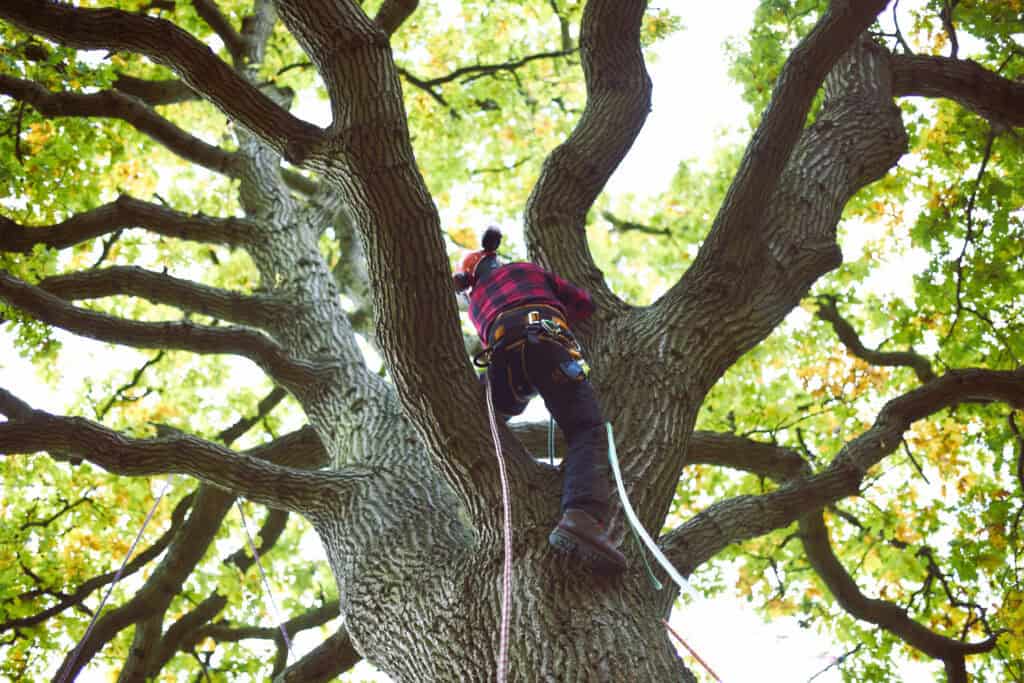
Before winter begins, inspecting your trees for any existing damage is essential. Cracks, broken limbs, or signs of disease can all worsen in the winter, leading to serious damage. Arborists recommend a thorough inspection of the tree’s structure to check for vulnerabilities that might not withstand the winter. Damaged trees are more likely to fall during a storm, and fallen trees can cause damage to homes or property. Consider the following steps when inspecting trees:
- Look for cracks in the bark or signs of pest infestation.
- Check for limbs that seem weak or broken.
- Identify any trees leaning or appearing unstable.
2. Prune Trees for Winter Health
Pruning trees before winter sets in helps prevent damage caused by heavy snow or ice. Removing dead, diseased, or weak branches reduces the weight on the tree, making it less likely to snap during a storm. A well-pruned tree is also better able to conserve energy during the winter, allowing it to flourish in the spring. Pruning should be done carefully and with the right tools to avoid further damage:
- Cut away any branches that are dead, damaged, or diseased.
- Trim back long or low-hanging branches that may break under snow.
- Ensure proper spacing between branches to allow for wind and ice to pass through.
3. Protect Trees from Frost
Frost can cause significant damage to trees, especially younger or newly planted ones. When freezing temperatures affect tender plant tissue, ice formation can injure cells and leave foliage or new growth damaged. Protecting trees from frost is especially important during late fall, winter, and early spring when temperatures can fluctuate quickly. Mississippi State University Extension explains that frost protection covers that extend to the ground can create an insulating layer around plants, and keeping the covering from resting directly on foliage helps prevent breakage. Protective coverings should also be removed once freezing conditions have passed.
Some practical ways to protect trees from frost include:
- Cover smaller trees with burlap or frost cloth when freezing temperatures are expected.
- Water trees before a freeze when soil conditions are dry.
- Place protective material around the root zone of young trees where appropriate.
- Extend frost coverings to the ground and support them so they do not rest directly on foliage or fragile branches.
- Remove frost covers after freezing temperatures have passed to restore normal light and air circulation.
4. How to Mulch Around Trees for Winter
Mulching is one of the most effective ways to protect trees during the winter. Mulch helps insulate the tree’s roots, keeping them warmer during cold snaps. Additionally, mulch helps retain moisture, preventing the tree from drying out. While mulching is beneficial year-round, it’s particularly important during the colder months when trees need protection from freezing temperatures. There are a few key considerations when mulching for winter:
- Spread mulch evenly around the tree’s base, but avoid piling it against the trunk.
- Use organic mulch like wood chips or straw for the best insulation.
- Keep mulch at least 2 to 4 inches deep to protect the roots.

5. Wrap Tree Trunks to Prevent Cracking
One of the most overlooked aspects of winter preparation is wrapping tree trunks. During the winter, tree trunks can suffer from frost cracking, which occurs when warm temperatures during the day cause the tree to expand, only for the cold night air to contract it rapidly. This expansion and contraction can cause the bark to split, leading to long-term damage. Wrapping tree trunks is a simple, effective solution:
- Use commercial tree wrap or burlap to insulate the trunk.
- Wrap from the base to the first set of branches, ensuring a snug fit.
- Remove the wrap in the spring once temperatures begin to warm.
6. Watering Trees During Winter
Even though trees are dormant in the winter, they still need water during extended dry periods. Winter drought can place significant stress on trees, especially when there is little rain or snow to replenish soil moisture. Colorado State University Extension recommends winter watering when air and soil temperatures are above 40°F and no snow cover is present, and advises monitoring dry conditions and watering about once or twice a month during prolonged periods without snow. Regular watering during appropriate winter conditions can help protect roots and support tree health until spring.
- Water trees during midday when temperatures are above 40°F so moisture has time to soak in before nighttime freezing.
- Ensure the soil is well-drained and avoid watering frozen ground.
- Focus on newly planted trees because they are especially susceptible to winter drought injury.
- Monitor extended periods without rain or snow and provide supplemental water when the soil becomes dry.

When to Consult an Arborist for Winter Tree Care
Although many homeowners can handle basic winter preparation for trees, there are times when it’s best to call in a professional. Arborists have the tools, knowledge, and experience to handle more complex tree care needs. Whether it’s large tree pruning, pest management, or damage repair, an arborist can ensure trees receive the care they need. Situations that call for professional help include:
- Large or hazardous trees that need significant pruning.
- Signs of disease or pest infestation that could worsen in winter.
- Trees near power lines or structures that could pose a danger.
Key Takeaways on How to Prepare Your Trees for Winter
Preparing trees for winter is essential for their health and longevity. Trees need protection from the cold, snow, and ice to thrive in the coming year. Winter preparation, including pruning, mulching, and wrapping trunks, ensures that trees are safe from winter’s harsh conditions.
- Inspect trees for damage before winter sets in.
- Prune trees to reduce the chance of branches breaking under snow and ice.
- Mulch and water trees to keep roots warm and hydrated.
- Protect trees from frost and wrap trunks to prevent cracking.
Frequently Asked Questions
1. Can I prune my trees in the middle of winter? Yes, pruning can be done during winter, but it’s best to do it before heavy snow or ice arrives. Winter pruning can prevent damage from storms and helps shape trees for the upcoming growing season.
2. What type of mulch should I use around my trees? Organic mulch, such as wood chips or straw, works best because it breaks down naturally and provides nutrients to the soil. Avoid using rocks or rubber mulch, as they don’t offer insulation.
3. Do I need to water my trees even if it’s cold outside? Yes, trees still need water during the winter, especially if there hasn’t been much rainfall. Watering during dry winter periods ensures the tree’s roots stay hydrated and healthy.
4. How often should I inspect my trees during winter? Inspect trees at least once a month to check for any signs of damage from wind, snow, or ice. After storms, it’s a good idea to check for broken branches or other issues.
5. When is the best time to call an arborist? Call an arborist before winter starts if you have large trees that need significant pruning or if your trees show signs of disease or structural weakness.

Precision Arborcare is your trusted arborist for expert tree services in Asheville, NC. Built on a passion for trees and a commitment to providing top-quality arborist care, our company excels in technical skills while prioritizing clear communication, customer satisfaction, and safety. Our team consists of certified arborists and tree care professionals dedicated to enhancing and preserving the natural beauty of your landscape. We pride ourselves on being approachable, friendly, and professional arborists, ensuring that our clients feel confident and informed throughout every step of their tree care journey. Precision Arborcare offers tailored arborist services to meet the specific needs of each client, from routine maintenance and emergency tree services to specialized care for your trees.