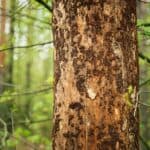
Proper tree care is crucial throughout the year to ensure the health and longevity of your trees. Each season brings its own set of challenges and requirements that, when met, can significantly enhance a tree’s structural integrity and aesthetic value. This guide will explore how to maintain trees properly during each season, with advice from experienced arborists. Engaging a professional can make all the difference in the vibrancy and safety of your trees. According to the U.S. Forest Service, well-maintained trees can increase property values by up to 10%, while neglected or hazardous trees can reduce them significantly and pose safety risks during storms or drought conditions. Investing in seasonal care not only preserves tree health, it also safeguards the landscape and the investment beneath it.

Spring Tree Care Essentials
Spring is a critical time for tree care, as plants emerge from winter dormancy and begin a new cycle of growth. Arborists can inspect trees for dead or damaged limbs, emerging pest activity, disease symptoms, and other problems that became apparent over winter. Fertilization may also be appropriate when soil conditions and tree health indicate additional nutrients are needed. University of Minnesota Extension explains that the late dormant season is the best time for most tree pruning, and removing dead or dying branches damaged by disease, insects, storms, or other causes can promote plant health.
- Pruning dead or diseased branches can support healthier tree structure and growth.
- Fertilization can supply needed nutrients when soil or tree conditions indicate a deficiency.
- Pest and disease inspections can identify emerging problems before they become more extensive.
- Late dormant-season pruning is recommended for most trees, making the transition into spring an important time to evaluate pruning needs.
Summer Maintenance Practices
During the hot summer months, trees need special care to cope with the heat and potential drought conditions. Ensuring adequate hydration through proper watering techniques is essential, especially for young trees or those in particularly dry areas. Arborists also recommend mulching to help retain soil moisture and regulate soil temperature.
- Regular watering during dry periods prevents stress and promotes growth.
- Mulching helps conserve moisture and protects roots from extreme heat.
- Monitoring for summer-specific pests and diseases can prevent major infestations.

Fall Preparation Techniques
As the days begin to shorten, trees prepare for colder months ahead, making fall an important time to address moisture, root protection, structural concerns, and other seasonal needs. Fertilization may be appropriate when soil conditions or nutrient deficiencies indicate it is needed, while pruning decisions should account for tree species, health, and timing. University of Minnesota Extension recommends covering the root zones of newly planted trees with 3 to 4 inches of shredded wood mulch and watering deeply before the ground freezes when fall conditions have been dry. These measures help protect roots from winter injury and reduce moisture stress going into dormancy.
- Targeted Fertilization: Apply fertilizer when soil or tree conditions indicate additional nutrients are needed.
- Pruning Review: Remove damaged or hazardous branches when appropriate and use proper seasonal pruning practices.
- Stake Inspection: Check stakes and supports for looseness, damage, or ties that are becoming too tight.
- Root-Zone Mulching: Apply 3 to 4 inches of mulch around newly planted trees while keeping it about 6 inches away from the trunk.
- Pre-Winter Watering: Water trees deeply before the ground freezes when autumn rainfall has been insufficient.
Winter Tree Care Strategies
Winter care mainly involves monitoring trees for signs of stress or damage from snow and ice. Arborists might wrap the trunks of younger trees to protect them from the cold and prevent sunscald. This season is less about active maintenance and more about protection and assessment, preparing for the active growth to come with spring.
- Wrapping young tree trunks protects against frost and sunscald.
- Removing snow from limbs can prevent breakage.
- Winter is a good time for structural assessments by an arborist to plan for spring care.

Maintaining Healthy Trees Year-Round
By following seasonal care guidelines, you can ensure that your trees remain beautiful and robust throughout the year. Each season requires specific approaches that, when effectively executed, prevent disease, encourage growth, and extend the lifespan of your trees. Consulting with a certified arborist can provide you with customized care strategies that are crucial for the well-being of your arboreal investments.
Choosing the Right Arborist for Seasonal Care
Selecting the right arborist is important for effective seasonal tree care. Homeowners should choose someone certified, experienced, and familiar with the types of trees growing on the property. The International Society of Arboriculture explains that an ISA Certified Arborist is trained and knowledgeable in all aspects of arboriculture and follows a code of ethics. A professional tree service can provide seasonal inspections, pruning guidance, disease checks, and care recommendations that support stronger, more resilient trees.
- Verify the arborist’s certifications and professional affiliations
- Choose someone familiar with local climate and tree species
- Look for arborists with positive reviews and a good track record

Key Takeaways for Effective Tree Maintenance
- Each season requires specific tree care strategies.
- Professional arborists are invaluable for optimal tree health.
- Regular maintenance prevents long-term problems and costs.
Frequently Asked Questions
- What is the best time of year to prune trees?
- Late winter or early spring is typically the best time to prune most trees, as it prepares them for new growth.
- How often should I water my trees?
- It depends on the species and your local climate, but generally, deep watering once a week is sufficient for most trees during dry conditions.
- Should I fertilize my trees every spring?
- Yes, spring fertilization is beneficial for most trees, providing them with the nutrients needed for the growing season.
- How do I protect my trees from winter damage?
- Wrapping, proper pruning, and sometimes applying anti-desiccant sprays can help protect trees from winter weather conditions.
- Can mulching be bad for my trees?
- While mulching is generally beneficial, incorrect application, like piling it against the trunk, can cause moisture buildup and rot.

Precision Arborcare is your trusted arborist for expert tree services in Asheville, NC. Built on a passion for trees and a commitment to providing top-quality arborist care, our company excels in technical skills while prioritizing clear communication, customer satisfaction, and safety. Our team consists of certified arborists and tree care professionals dedicated to enhancing and preserving the natural beauty of your landscape. We pride ourselves on being approachable, friendly, and professional arborists, ensuring that our clients feel confident and informed throughout every step of their tree care journey. Precision Arborcare offers tailored arborist services to meet the specific needs of each client, from routine maintenance and emergency tree services to specialized care for your trees.