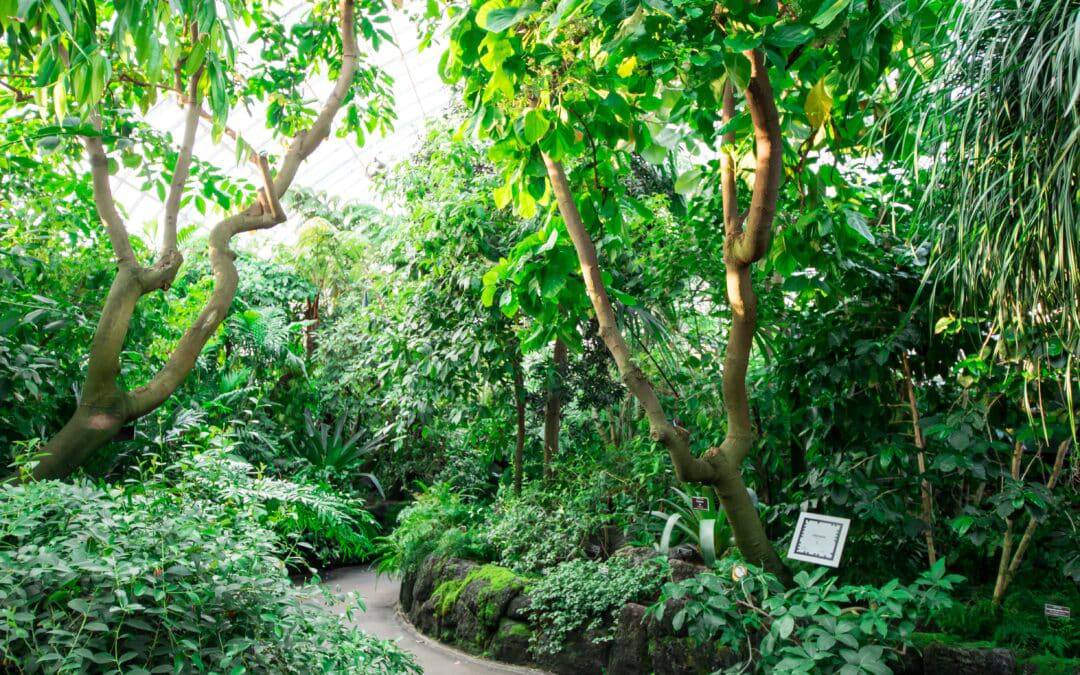
As the temperature rises, seeking relief from the sweltering heat becomes a priority. While air conditioners may provide respite indoors, they consume a significant amount of energy. A natural and sustainable solution to combat the heat is to harness the power of trees. There are various tree services available that can help create shade and contribute to cooling. Strategic tree placement can lower surrounding temperatures and make outdoor areas noticeably more comfortable during hot weather. There are various tree services available that can help create shade and contribute to cooling.
Large canopies block solar radiation, absorb heat, and release moisture into the air through transpiration, which naturally cools surrounding spaces. This natural process can help reduce heat buildup around homes, patios, driveways, and other outdoor living areas during the warmest months of the year. The idea of how trees help with shade and cooling continues to gain attention among property owners searching for natural climate control. It’s important to understand how trees and professional tree service can support shade coverage, cooling performance, and long-term landscape health.
- Natural canopy cover reduces sun exposure on structures
- Cooling effects from leaf evaporation lower surrounding air temperatures
- Strategic plantings help protect outdoor living areas
Tree Shade and Cooling Support
Experienced tree services can guide property owners through shade planning by analyzing sunlight patterns, soil quality, available space, and growth potential before planting begins. A landscaping crew might examine a yard with limited shade and recommend placing suitable hardwood trees along western exposures where afternoon heat hits hardest. The U.S. Department of Energy specifically recommends planting trees on the west side of a home for afternoon shade, while U.S. Forest Service research found that trees in urban and community areas reduce average residential energy use by about 7.2% nationally through their effects on heating and cooling needs. (research.fs.usda.gov) Strategic planning can create cooler outdoor spaces while reducing solar heat around buildings. Experienced tree services create shade patterns that improve property comfort as trees mature.
- Placement guidance based on sun direction
- Tree selection based on property layout
- Growth monitoring to support lasting canopy coverage
- West-side tree placement can provide valuable shade from intense afternoon sun
- Strategically placed trees can help reduce household heating and cooling energy use
Tree Services for Tree Health
Skilled tree services improve temperature regulation by maintaining canopy structure through trimming and seasonal care. According to the U.S. Department of Energy, carefully maintained shade trees can reduce surrounding surface temperatures by as much as 20 to 45°F compared to unshaded areas, demonstrating how proper tree care helps maximize cooling benefits and improve outdoor comfort throughout the landscape. Regular maintenance prevents overcrowded branches that limit airflow and weaken cooling performance. Ongoing tree services strengthen shade reliability while helping trees stay stable during harsh weather.
- Pruning supports airflow through thick foliage
- Routine checks spot disease that limits canopy growth
- Structured trimming supports balanced branch development

Oak Trees for Shade Solutions
Oak trees remain widely planted because their massive crowns form thick shade that blocks sunlight before it reaches the ground. Mature oaks can live for centuries while delivering consistent temperature relief across wide areas, which makes them a smart fit for larger properties. Tree services help maintain oak trees by managing heavy limbs that can strain branch joints over time. Consistent canopy care helps these trees keep delivering cooling benefits for decades.
- Dense foliage creates broad shaded coverage
- Strong wood structure supports long lifespan
- Deep root systems help with drought tolerance
Maple Trees for Cooling Coverage
Maple trees appeal to homeowners who want seasonal color while gaining cooling protection from wide leaf surfaces. According to the U.S. Forest Service, strategically placed deciduous trees can reduce summer air-conditioning costs by up to 25%, making healthy maple trees a valuable choice for homeowners seeking dependable shade, seasonal beauty, and long-term cooling benefits. Professional tree services shape maple branches to improve airflow and reduce limb crowding. Healthy maple growth encourages steady cooling coverage throughout spring and summer.
- Seasonal leaf drop allows winter sun exposure
- Quick canopy growth increases shade sooner
- Adaptability supports a wide range of soils
Sycamore Trees for Temperature Control
Sycamore trees stand among the largest native hardwoods in North America, with towering height and massive leaves that produce broad shade patterns. These trees often grow near waterways because they tolerate moisture and shifting soil conditions well. Tree services monitor sycamore health because fast growth can lead to weaker branch development when ignored. Routine care helps sycamores deliver wide shade while reducing structural concerns.
- Large leaves create heavy shading coverage
- Moisture tolerance supports wetter ground
- Rapid height growth expands cooling reach
Elm Trees for Street Cooling
Elm trees gained popularity for lining streets with arching branches that form overhead shade. Disease-resistant cultivars have renewed interest in elm planting, while modern tree services support health with early detection and pruning. The Environmental Protection Agency explains that urban tree cover reduces heat island effects by lowering surface temperatures on pavement and buildings. Elm canopies help reduce heat retention across developed areas.
- Arching growth creates overhead cooling corridors
- Resistant varieties lower disease risk
- Wide branching helps shade paved surfaces
Tulip Poplar for Cooling Shade
Tulip poplar trees grow quickly and reach impressive heights, helping property owners gain shade coverage faster than slower-growing hardwoods. Broad leaves help block sunlight while supporting transpiration that cools surrounding air. Tree services manage tulip poplar structure by reducing limb weight and keeping growth balanced. Stable branch form helps these trees remain dependable shade providers.
- Fast growth supports quicker canopy development
- Tall trunks increase vertical shade coverage
- Spring flowers attract helpful pollinators
Linden Trees for Dense Shade
Linden trees offer consistent shade for patios, walkways, and residential lawns through a compact yet full canopy. Fragrant blossoms attract pollinating insects while dense leaves block strong sun. Tree services support linden tree health by trimming branches that grow too tightly and restrict airflow. Proper care helps maintain steady shade during peak summer months.
- Dense foliage forms uniform shade layers
- Summer blooms support pollinators
- Moderate size fits many yards
Strategic Tree Placement Tips
Tree placement shapes how much cooling impact a landscape receives because sunlight shifts throughout the day and across seasons. Professional tree services review building orientation, utility placement, soil conditions, and mature tree size before recommending planting locations. The U.S. Department of Energy recommends placing tall deciduous trees on the south side for summer roof shade and lower-branched trees on the west side for afternoon protection. DOE also reports that air temperatures directly beneath trees can be as much as 25°F cooler than temperatures above nearby blacktop, demonstrating how a well-positioned canopy can influence the immediate environment. Thoughtful positioning can shade roofs, windows, pavement, and outdoor gathering areas more effectively.
- Western placement reduces afternoon heat buildup
- Southern positioning can provide valuable summertime roof shade
- Distance planning helps prevent mature roots and branches from interfering with structures
- Canopy placement can create substantially cooler areas beneath trees compared with exposed pavement

The Importance of Professional Tree Maintenance
Tree care matters because neglected branches and structural defects can weaken canopy stability and reduce the benefits mature trees provide over time. Arborists working through tree services inspect for decay, insect activity, damaged branches, and structural imbalances that may require attention. Routine pruning can guide healthier structure while removing branches that are dead, damaged, or poorly positioned. The U.S. Forest Service reports that early and regular tree pruning can prevent the development of many structural defects, potentially reducing the amount of corrective pruning needed later in a tree’s life. Ongoing professional care supports longer-lasting, more stable canopy coverage.
- Health assessments catch early problems
- Seasonal trimming supports appropriate canopy management
- Structural reviews reduce limb failure risks
- Early and regular pruning can help prevent structural defects from developing as trees mature
Long Term Shade Value
Healthy trees create lasting temperature relief that influences energy use and outdoor comfort for years. The U.S. Forest Service reports that shade and evapotranspiration from trees can lower surrounding air temperatures by several degrees in some settings. Tree services protect long-term shade by monitoring growth stages and preventing structural decline. According to the U.S. Forest Service, strategically placed trees can save homeowners up to 56% on annual air-conditioning costs. The U.S. Department of Energy reports that shade and evapotranspiration from trees can lower surrounding air temperatures by as much as 6°F, highlighting the long-term cooling value of a healthy tree canopy and the importance of ongoing tree care. Reliable maintenance supports consistent cooling patterns that improve landscape comfort season after season.
- Lower cooling demand through natural shade
- Improved curb appeal through mature growth
- Environmental gains through carbon storage
Trees for Long-Term Shade and Cooling
Tree growth, canopy care, and smart planting each shape cooling benefits that affect comfort, energy use, and outdoor usability. Professional tree services guide selection and maintenance while keeping canopy development stable and healthy. Shade trees such as oak, maple, sycamore, elm, tulip poplar, and linden offer distinct cooling strengths when matched appropriately to local growing conditions. U.S. Forest Service research found that simulations of strategically planted shade trees showed a single 25-foot-tall tree could reduce annual heating and cooling costs for a typical residence by approximately 8% to 12%, illustrating how mature tree placement can contribute to long-term energy conservation. Ongoing tree services help landscapes maintain consistent shade while supporting healthier outdoor environments.
- Professional planning improves shade placement accuracy
- Maintenance preserves canopy strength over time
- Species choice influences long-term cooling performance
- Mature shade trees can reduce the amount of solar energy reaching homes and surrounding surfaces
- Strategic tree placement can contribute to lower household heating and cooling needs as the canopy develops

Key Takeaways on Trees for Shade Cooling
Tree services help property owners create cooler landscapes by guiding planting decisions and supporting ongoing tree health. Shade trees reduce surface heat, improve outdoor comfort, and can reduce strain on air conditioning systems when positioned well. Species selection paired with routine care supports stronger canopy coverage and safer growth. Consistent tree services help trees stay healthy and capable of providing dependable shade for decades.
- Shade trees reduce solar heat exposure on structures
- Canopy trimming supports airflow and healthy leaf growth
- Smart placement improves cooling impact through the day
- Species selection shapes shade density and long-term stability
- Routine inspections extend tree life and canopy strength
Frequently Asked Questions
How long does it take for shade trees to provide cooling? Growth speed depends on species and site conditions. Faster growers like tulip poplar may create noticeable shade within a few years, while slower hardwoods often take longer to form broad canopy coverage.
Do shade trees reduce energy bills? Properly placed shade can lower heat entering a home, which can reduce cooling needs. The U.S. Department of Energy notes that shade trees can cut air conditioning demand when planted to block intense sun exposure.
Can tree placement affect home comfort? Tree placement matters because shade on windows, walls, and roofs can reduce indoor heat gain. Placement that targets afternoon sun exposure often makes the biggest difference in warmer months.
Do large trees require frequent maintenance? Mature trees benefit from regular inspections and occasional pruning to keep limbs stable and canopies healthy. Tree services can spot decay, weak branch angles, or insect activity before those issues become costly.
Are certain trees better for urban cooling? Broad canopies and strong leaf coverage support pavement shading and cooler street conditions. Maples, elms, and oaks often perform well when planted with enough space and cared for with routine pruning.
Precision Arborcare is your trusted arborist for expert tree services in Asheville, NC. Built on a passion for trees and a commitment to providing top-quality arborist care, our company excels in technical skills while prioritizing clear communication, customer satisfaction, and safety. Our team consists of certified arborists and tree care professionals dedicated to enhancing and preserving the natural beauty of your landscape. We pride ourselves on being approachable, friendly, and professional arborists, ensuring that our clients feel confident and informed throughout every step of their tree care journey. Precision Arborcare offers tailored arborist services to meet the specific needs of each client, from routine maintenance and emergency tree services to specialized care for your trees.