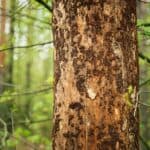
Falling trees and branches can cause serious injuries and costly property damage, highlighting why prompt removal of hazardous trees is essential. Emergency tree removal is often necessary to prevent serious damage, protect public safety, and maintain healthy landscapes. A professional tree service can respond quickly to unstable trees, storm-damaged limbs, and dangerous debris before the situation becomes more severe.
According to the Federal Emergency Management Agency (FEMA), severe storms regularly bring down trees and large branches that damage homes, block roads, and disrupt electrical service, reinforcing the importance of emergency tree removal when a tree becomes unstable or poses an immediate safety risk.
15 Reasons Why Emergency Tree Removal Might Be the Safest and Smartest Choice
-
Prevent damage to homes, cars, and power lines
-
Remove trees leaning dangerously after high winds or storms
-
Stop the spread of tree diseases or pest infestations
-
Clear blocked roads or driveways
-
Improve visibility for traffic and pedestrians
-
Eliminate risk from dead or hollowed trees
-
Protect nearby healthy trees and plants
-
Ensure safety in public parks and community spaces
-
Reduce legal liability for property owners
-
Allow emergency access for first responders
-
Prevent root damage to foundations and plumbing systems
-
Remove fire hazards during dry seasons
-
Fix sudden uprooting caused by saturated soil or erosion
-
Manage unexpected hazards from lightning strikes
-
Deal with trees weakened by construction or excavation

The Role of an Arborist in Emergency Tree Removal
Arborists are skilled in cultivating and caring for trees and are trained to assess and manage the risks associated with unstable or diseased trees. A certified arborist might evaluate a decaying oak that threatens nearby structures and determine whether urgent removal is necessary. These professionals rely on specialized training and precise risk assessments to make informed decisions under pressure.
- Certified arborists can identify symptoms of tree disease and structural weaknesses.
- They use specialized equipment to gauge tree stability and plan safe removals.
- Their expertise ensures quick and accurate assessments during emergencies.
Common Causes of Emergency Tree Removal
Emergency tree removal is often triggered by natural disasters, disease, or structural instability. Storms, earthquakes, and flooding can uproot or break trees, while pests and decay can weaken them from within. The emerald ash borer, for example, has destroyed millions of ash trees across the U.S., forcing urgent removals to prevent injury and property damage.
- Storms and natural disasters can cause trees to fail suddenly.
- Pests and fungal infections weaken trees over time, leading to collapse.
- Construction-related root damage may cause trees to become unstable.
Risks of Delaying Tree Removal
Delaying emergency tree removal can lead to severe property damage and personal injury. A tree that appears stable on a calm day can become more dangerous during strong winds, heavy rain, or another severe weather event. Insurance coverage and liability depend on the individual policy and circumstances, making it important for property owners to address known hazards rather than assume resulting damage will automatically be covered. The U.S. Forest Service defines a hazard tree as one with a structural defect that makes it likely to fail, either completely or in part, and advises people to be especially watchful during windy conditions or after storms.
- Falling limbs can cause injury or damage to homes and vehicles.
- Neglecting a known hazardous tree can create additional liability concerns.
- Weakened trees pose an increased risk during extreme weather events.
- Structural defects can make either an entire tree or individual branches more likely to fail.

Techniques for Safe Tree Removal
Certified arborists use specialized methods and equipment to make tree removal safer and more controlled. Depending on the location, tree size, and surrounding obstacles, crews may use cranes, rigging systems, aerial lifts, or sectional dismantling to control each stage of the process and minimize risks to structures and vegetation. OSHA identifies falls and falling objects as significant hazards in tree-care operations and recommends that workers use tree-care-approved climbing and fall-protection equipment that is inspected for safe operation before work begins. Every removal should follow established safety procedures designed to protect workers, property, and people near the work zone.
- Heavy machinery such as cranes can help control large tree sections during appropriate removals.
- Sectional dismantling helps limit damage in confined or developed spaces.
- Strict adherence to safety procedures helps reduce unnecessary risks and disruption.
- Climbing lines, safety lines, and personal fall-protection equipment should be inspected before tree-removal work begins.
Preventive Measures and Regular Maintenance
Regular maintenance and inspections by a professional arborist can greatly reduce the likelihood of emergency situations. Routine pruning and disease management programs help trees remain strong, while structural supports can prevent instability. Early detection of problems keeps landscapes healthy and resilient.
- Routine pruning removes weak branches and encourages healthy growth.
- Tree disease management programs protect against infections and pests.
- Cabling and bracing can stabilize trees prone to structural failure.
Choosing the Right Tree Service for Emergencies
When facing a potential tree emergency, it’s crucial to hire certified professionals who can handle high-risk removals safely. Look for arborists certified by the International Society of Arboriculture (ISA) with solid reviews and proof of insurance. ISA states that the ISA Certified Arborist credential is valid for three years, after which arborists must recertify by passing the examination again or completing at least 30 continuing education units related to the areas covered by the certification exam. This continuing education requirement helps credentialed arborists stay engaged with current arboriculture knowledge and practices.
- Verify certification and credentials before hiring.
- Ensure the company has insurance coverage for accidents or property damage.
- Choose specialists experienced in emergency tree care and removals.
- Look for arborists who maintain current ISA certification through required continuing education or recertification.
Why Emergency Tree Removal Can’t Wait
Emergency tree removal protects lives, property, and surrounding landscapes when damaged trees create immediate hazards. Storm-weakened trunks, hanging limbs, uprooted trees, and branches tangled near utilities can become increasingly dangerous if conditions worsen. OSHA states that storm-damaged trees should be trimmed or removed when they impede recovery efforts, present an immediate safety hazard, or have sustained damage that could create a future hazard. Professional intervention allows qualified crews to assess structural damage, control falling material, and determine whether a tree can be stabilized or requires removal.
- Prompt removal can prevent unstable limbs or trunks from creating additional hazards.
- Professional assessment helps determine whether storm-damaged trees can be saved or should be removed.
- Damaged trees that interfere with roads, structures, utilities, or recovery work may require immediate attention.
- Crews should evaluate falling-object and struck-by hazards before emergency tree work begins.
- Storm-damaged trees may remain hazardous even after severe weather has passed.

Key Takeaways for Understanding Emergency Tree Removal
- Emergency tree removal is often essential for preventing injury and property loss.
- Certified arborists assess and manage hazardous trees with precision and safety.
- Preventive maintenance reduces the likelihood of sudden tree failures.
- Delaying removal can increase financial and legal risks.
- Hiring qualified professionals ensures safe and efficient results.
Frequently Asked Questions
What qualifies as an emergency for tree removal?
Any situation where a tree threatens property, power lines, or personal safety due to structural instability, disease, or storm damage is considered an emergency.
Can I remove a hazardous tree myself?
It is not recommended. Hazardous trees often require specialized tools and techniques. Certified arborists have the training and equipment needed to perform removals safely.
How often should I have my trees inspected?
Trees should be inspected at least once a year, and always after severe storms, to check for disease, decay, or structural damage.
What happens to the removed tree?
Most tree services cut removed trees into sections. The wood can be hauled away, recycled into mulch, or repurposed as firewood depending on your preference.
Is emergency tree removal covered by insurance?
Many homeowner insurance policies cover damage caused by fallen trees and may also pay for removal if the tree falls on insured structures. Always check your policy for specific details.
Precision Arborcare is your trusted arborist for expert tree services in Asheville, NC. Built on a passion for trees and a commitment to providing top-quality arborist care, our company excels in technical skills while prioritizing clear communication, customer satisfaction, and safety. Our team consists of certified arborists and tree care professionals dedicated to enhancing and preserving the natural beauty of your landscape. We pride ourselves on being approachable, friendly, and professional arborists, ensuring that our clients feel confident and informed throughout every step of their tree care journey. Precision Arborcare offers tailored arborist services to meet the specific needs of each client, from routine maintenance and emergency tree services to specialized care for your trees.