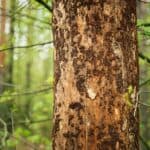
- Inspection of limbs, roots, soil, and canopy
- Risk evaluation to prevent tree failure
- Detailed health diagnosis
Daily tasks of arborists
One crew member climbed a maple at dawn, checked trunk decay with a resistograph and pruned a branch that threatened power lines showing the mix of gear and judgment that comes from training. Regular inspections, trimming, hazard checks, and soil readings reveal a rhythm rooted in both data and muscle memory. Job unfolds through climbing, data review, report writing, and tool maintenance, often with little rest. Every day brings varied tree‑care demands and on‑the‑spot decisions.- Climbing and visual inspection
- Pruning for structure and safety
- Ground‑level soil testing
Tree Health Inspection Work
Arborists scan bark, leaves, root flares, cavities, and crown structure for visible signs of stress, disease, or structural weakness. The U.S. Forest Service reports that more than 80% of the U.S. population lives in urban areas, making healthy urban trees an important community resource. Visual checks may be followed by diagnostic tools when internal defects are suspected. U.S. Forest Service research found that acoustic tomography can successfully detect internal decay and cavities, and combining visual inspection, acoustic tomography, and resistance microdrilling can provide a more complete assessment of hidden defects. Pathogens or insect signs can then guide targeted treatment plans. Healthy-tree care relies on early, evidence-based decisions.- Visual signs of stress or decay
- Use of diagnostic tools such as resistance microdrilling when appropriate
- Crown health scoring
- Advanced testing can help reveal internal decay or cavities that are not visible from the outside
Tree pruning arborist techniques
Cuts respect branch collars and growth patterns so limbs heal quickly and structural integrity stays intact. Poor trimming carries a 30 % increase in decay susceptibility, according to forestry studies. Professionals know when to prune for risk reduction, sunlight access, or wind resilience. Pruning merges art, biology, and technical precision.- Prune above branch collar
- Remove deadwood and rubbing branches
- Maintain optimal canopy shape
Hazard Tree Evaluation Process
Routine risk assessments examine visible decay, cavities, cracks, dead or broken limbs, root conditions, and other signs that could affect tree stability. Arborists also consider surrounding conditions before deciding whether pruning, cabling, monitoring, or removal may be appropriate. OSHA states that tree health and work-site hazards should be assessed before tree care begins because falls and struck-by incidents are leading causes of serious injury and death in the industry. CDC data further show that 1,285 workers died during tree care operations from 1992 through 2007, with 42% of fatalities involving workers struck by or against objects and 34% involving falls. Tree-care fatality data reinforce why identifying hazardous conditions before work begins is so important.- Decay and cavity inspection
- Hazard scoring methods
- Prune, support, monitor, or remove trees based on the level of risk
- Work-site evaluations identify falling-limb, climbing, and other hazards before crews begin work
- Surrounding people, structures, vehicles, and work areas should be considered when planning hazardous tree work
Soil and root system checks
Root‑zone evaluation includes soil compaction tests, moisture meter use, and air‑spade reveals. USDA FIA data backs the need for root health tracking to preserve canopy cover long‑term. Arborists recommend soil amendments or drainage fixes where needed. Strong roots anchor safe, thriving trees.- Compaction and drainage tests
- Root collar inspection
- Soil amendment advice
Urban tree management duties
City arborists manage inventories, follow planting policies, inspect hazard zones, and coordinate with infrastructure planning. Urban tree cover benefits urban populations through cooling, pollution reduction, and public health gains. Annual mortality rates of 3–6 % demand ongoing maintenance. Public safety and canopy value rest on routine, data‑driven oversight.- Street‑tree inventories
- Planting coordination with planners
- Storm‑response assessment

The Importance of Tree Removal
Storm Damage Tree Assessment
After severe weather, assessments check broken limbs, root lift, trunk cracks, leaning, and other changes that may affect a tree’s stability. Storm-damaged trees can also create electrical hazards when branches fall onto or become tangled with utility lines. OSHA states that only specially trained line-clearance tree trimmers may work within 10 feet of energized power lines and equipment, highlighting the need for additional caution when storm damage occurs near electrical infrastructure. Arborists identify salvageable trees, remove immediate hazards, and develop repair or removal plans based on the severity of the damage. Swift professional assessment helps restore safety while preserving trees that have a reasonable chance of recovery.- Assess broken limbs and structural damage
- Record lean and root lift
- Plan removal or repair actions
- Check for damaged limbs touching or hanging near electrical lines before beginning cleanup
Climbing arborist responsibilities
Climbers train continuously to master knot work, rope rigging, tool control, and fall restraint. Tree‑care fatality rates for climbers exceed 30 per 100 000 workers, well above national averages. Safety gear, careful rigging, and aerial rescue protocols keep climbers secure. Ascending trees demands both physical and mental focus.- Rope‑access and fall protection
- Canopy rigging and lowering systems
- PPE checks and rescue planning
Consulting arborist role explained
Experts prepare detailed reports, support legal cases, and guide long‑term landscape planning. Reports include health analyses, risk scores, and maintenance recommendations tied to standards. Arborist consultants bring technical voices into development, insurance, and property decisions. Their impartial findings steer effective tree care strategies.- Health and risk assessment reports
- Long‑term management planning
- Expert testimony support
Certified arborist qualifications needed
Credentialing via ISA or state boards demands formal study, field hours, and exam success. OSHA and ANSI standards shape training around safety, tree biology, and equipment handling. Candidate experience spans several years climbing and diagnosis work. Certification proves credibility and safeguards best practices.- Exam after formal study and field hours
- Training in safety and tree science
- Annual continuing education
Arborists Roles and Skills
All tree-care actions, from risk evaluation and soil testing to trimming and emergency response, combine science, hands-on skill, and safety compliance. Arborists translate urban forestry data and field observations into decisions that protect people, property, and canopy value. The U.S. Forest Service explains that urban tree risk management programs train field professionals to detect, assess, and correct hazardous tree defects, demonstrating how specialized knowledge directly supports safer tree management. OSHA also recommends having a qualified arborist evaluate tree structure and potential work-site hazards before hazardous tree-care operations begin. Daily arborist work depends on continuing education, careful observation, appropriate equipment, and established safety practices.- Hazard Recognition: Arborists use specialized training to identify structural defects and tree conditions that could threaten people or property.
- Data-Informed Planning: Urban forest inventories and tree assessments help professionals make better decisions about planting, maintenance, risk reduction, and long-term canopy management.

Key Takeaways on What Arborists Actually Do
- Daily tasks blend inspection, pruning, soil and hazard evaluation
- Accurate risk assessment prevents tree‑care fatalities
- Root and canopy health link directly to long‑term survival
- Urban care demands data‑driven planning and rapid storm response
- Certification ensures adherence to safety and tree science
Frequently Asked Questions About Arborists
- Why are tree‑care risks so high? Natural hazards, complex aeriel work, and high incidence of strike‑by or falls elevate fatality rates in this sector.
- How often should trees be inspected? Annual or biennial inspections help manage 3–6 % typical urban tree mortality and catch early defects.
- What defines a certified arborist? Certification follows hours of study, hands‑on experience, and passing a rigorous exam covering biology, safety, and equipment.
- How do consultants aid property decisions? Written reports, risk scores, maintenance plans, and legal support bring technical tree‑care clarity to complex projects.
- Why check soil as well as canopy? Roots drive tree stability and health; soil compaction or drainage issues directly impact canopy vitality.
Precision Arborcare is your trusted arborist for expert tree services in Asheville, NC. Built on a passion for trees and a commitment to providing top-quality arborist care, our company excels in technical skills while prioritizing clear communication, customer satisfaction, and safety. Our team consists of certified arborists and tree care professionals dedicated to enhancing and preserving the natural beauty of your landscape. We pride ourselves on being approachable, friendly, and professional arborists, ensuring that our clients feel confident and informed throughout every step of their tree care journey. Precision Arborcare offers tailored arborist services to meet the specific needs of each client, from routine maintenance and emergency tree services to specialized care for your trees.