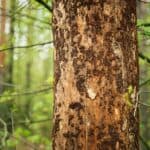
A well-shaped tree is a nice touch, but its benefits reach far beyond first impressions. Regular tree trimming supports structural integrity, boosts safety, and even encourages healthier landscapes. A professional tree service can identify weak limbs, crowded growth, and unsafe branch patterns before routine trimming turns into an urgent repair. Trimming your trees doesn’t just make your property look polished, it helps protect your long-term investment. These lesser-known reasons are worth every snip and cut, and knowing what’s at stake may change how you think about seasonal tree care.
Why Tree Trimming Matters Beyond Looks
Tree trimming improves more than just curb appeal, it protects property, promotes growth, and helps prevent hazards. A local business owner once discovered that trimming back a few sagging limbs saved his signage from storm damage and brightened up his storefront. The added visibility brought in more foot traffic, and the improved tree health kept maintenance costs low for years. Stories like that are common, and they illustrate how a little seasonal upkeep goes a long way.
- Healthy trees are less likely to shed limbs unexpectedly
- Cutting back growth reduces weight strain on trunks and branches
- A well-maintained tree canopy allows sunlight to reach lawns and plants
Improves Overall Tree Health
Cutting dead, diseased, or insect-infested branches can restore a tree’s strength before small issues spread. Trimming helps trees breathe by opening the canopy and allowing better airflow through crowded growth. The University of Minnesota Extension explains that pruning promotes plant health by removing dead or dying branches injured by disease, severe insect infestation, animals, storms, or other mechanical damage. Proper trimming supports the entire tree from the roots up, not just the shape of the canopy.
- Proper trimming reduces the risk of tree decline
- Removing weak limbs helps redirect energy to stronger growth points
- Healthier trees may require fewer corrective treatments over time
Reduces Risk of Property Damage
An overgrown tree with heavy limbs hanging above a roof is not just unsightly, it can become a serious property risk. Tree trimming helps reduce the chance of storm-related damage to homes, garages, fences, and parked vehicles. The National Weather Service explains that severe thunderstorm winds can break off large branches, knock over trees, or cause structural damage to trees. Keeping trees properly trimmed helps homeowners reduce hazards before strong winds turn overgrowth into a costly problem.
- Branches near power lines can lead to outages or fire hazards
- Untrimmed trees may block emergency access points
- Strong winds can turn overgrowth into dangerous debris

3. Promotes Healthy, Directed Growth
Trimming while trees are young creates a blueprint for strong, stable growth later. Unchecked branching can cause trees to grow lopsided, lean toward structures, or collapse under their own weight. Trained arborists know how to shape trees so they distribute weight evenly and develop a supportive trunk structure. Healthy growth isn’t just about surviving storms, it also gives your landscape a cleaner, more deliberate appearance over time.
- Strategic trimming prevents double leaders and weak forks
- Directing growth helps trees survive storms with less damage
- Balanced canopies look better and last longer
4. Improves Safety for People and Pets
A heavy limb snapping above a backyard barbecue is more than an inconvenience, it is dangerous. Tree trimming helps remove hazards before they turn into emergencies around patios, walkways, driveways, playgrounds, and pet areas. OSHA identifies tree care work as involving hazards such as falling branches and trees, which is why careful maintenance and safe removal practices matter around active outdoor spaces. Regular trimming gives people and pets more room to move safely beneath trees without low limbs, weak branches, or storm-damaged growth creating unnecessary risk.
- Trimming clears sightlines near driveways and roadways
- Removing low-hanging limbs improves pedestrian paths
- Trees near playgrounds or patios need regular inspection
5. Increases Sunlight and Visibility
Overgrown trees can create dark, damp environments that block natural light and encourage mold, algae, and lawn die-off. A carefully trimmed canopy brings balance to the light reaching the ground. More sunlight means better grass, healthier shrubs, and less maintenance.
- More light discourages moss and mildew on roofs and siding
- Increased visibility supports home security and camera function
- Better sun access benefits nearby gardens and flower beds

6. Helps Deter Pests and Nuisance Wildlife
Trees that touch rooftops or siding act like ladders for raccoons, squirrels, and other unwelcome visitors. Trimming trees limits access and creates clear space that discourages nesting and chewing. Insects like termites and carpenter ants also use overgrowth to access buildings.
- Shortened branches reduce bridge points to roofs and eaves
- Fewer shaded pockets mean fewer insect nesting spots
- Less moisture retention helps avoid fungal growth
Protects Landscape and Property Value
Well-maintained trees show care and attention to detail, which can reflect positively on overall property value. Buyers often view a clean, healthy landscape as a sign that the home and yard have been properly maintained. USDA Forest Service research explains that tree cover influences home values, with studies showing that trees and nearby canopy can affect residential property prices. Routine tree care helps protect curb appeal, surrounding plants, lawn health, and the long-term value of the outdoor space.
- Healthy trees can improve the appearance of a property
- Tree care helps surrounding plants and grass thrive
- Regular trimming can reduce hazards that hurt curb appeal

Key Takeaways on Tree Trimming Benefits
Tree trimming improves more than just curb appeal. It protects your investment by supporting tree health, reducing hazards, and enhancing the beauty of your surroundings. Regular trimming also improves air quality, supports local biodiversity, and helps create outdoor spaces that feel clean and safe.
- Proper trimming extends tree lifespan and reduces decay
- Regular maintenance prevents injuries and storm-related damage
- Sunlight access and pest control both benefit from strategic cuts
- Property value and landscape aesthetics see measurable gains
Frequently Asked Questions
Why does trimming help a tree stay healthy? Cutting away dead or weak limbs allows the tree to focus nutrients where they’re needed most. This reduces stress on the tree and promotes stronger, more sustainable growth.
When is the best time of year to trim trees? Most trees benefit from trimming during dormancy, typically late fall through early spring. This timing helps minimize stress and reduces exposure to pests and diseases.
Can tree trimming really affect home value? Yes. Trees that are well-shaped and properly maintained add to a home’s visual appeal and perceived upkeep, which can positively influence both appraisal and buyer interest.
How often should trees be trimmed? It depends on the species, location, and age of the tree. Most mature trees benefit from trimming every 3 to 5 years, while younger trees may need more frequent attention to establish strong structure.
What risks come from not trimming trees? Untrimmed trees can lead to broken limbs, power outages, pest infestations, and even structural damage to your home or business. These issues are often more expensive to fix than regular maintenance would have been.
Precision Arborcare is your trusted arborist for expert tree services in Asheville, NC. Built on a passion for trees and a commitment to providing top-quality arborist care, our company excels in technical skills while prioritizing clear communication, customer satisfaction, and safety. Our team consists of certified arborists and tree care professionals dedicated to enhancing and preserving the natural beauty of your landscape. We pride ourselves on being approachable, friendly, and professional arborists, ensuring that our clients feel confident and informed throughout every step of their tree care journey. Precision Arborcare offers tailored arborist services to meet the specific needs of each client, from routine maintenance and emergency tree services to specialized care for your trees.